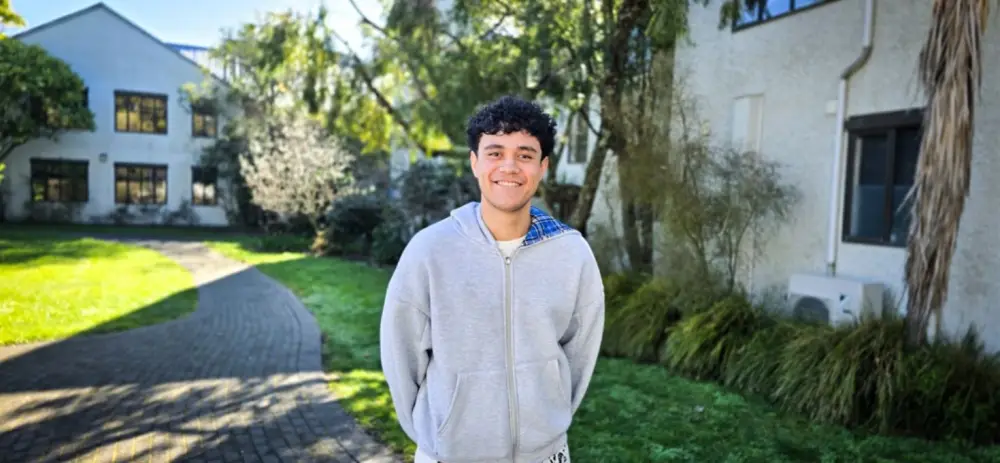
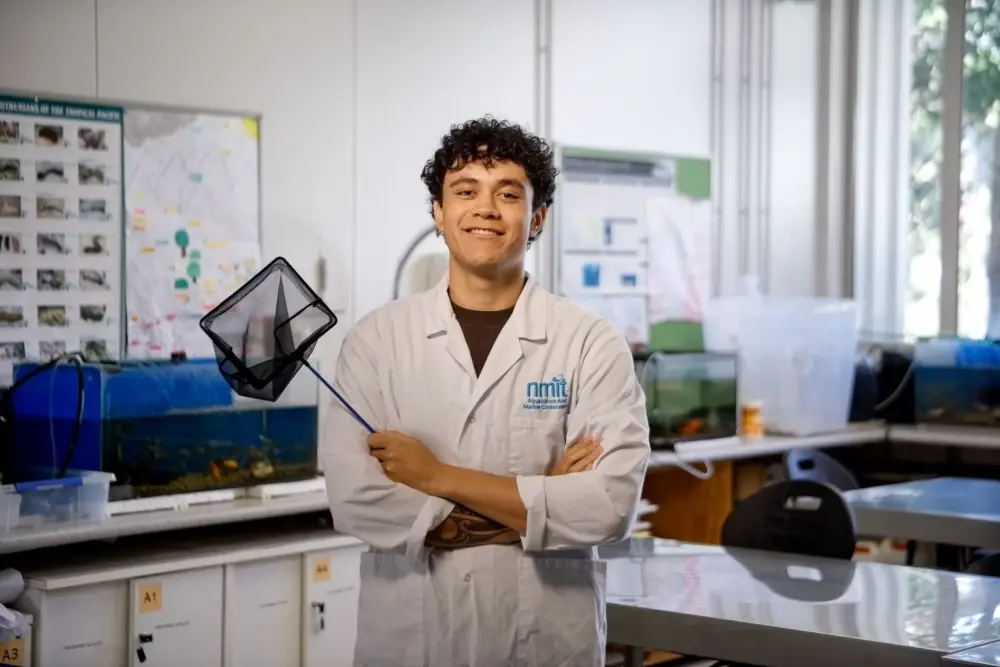
An internship gave NMIT aquaculture student Cashious Theo Hawe Laauli the chance to step into real-world research and build confidence in his future direction.
Aquaculture TheoLaauli 1470x680px


Second-year NMIT Bachelor of Aquaculture and Marine Conservation student Theo spent last summer working with the New Zealand Bioeconomy Science Institute, an opportunity that gave him an early insight into aquaculture research, and the inspiration to think more intentionally about his future.

Inside the internship

At the end of his first year at NMIT, Theo was invited to apply for a summer internship with The New Zealand Bioeconomy Science Institute. Although he had some practical experience tending to fish and sampling river water on field trips, contributing to research projects was a significant step into a new environment for Theo.

“I was nervous about taking that next step, working for a research-based company, but I accepted the opportunity, went through the interview and got started,” he says.

The work included gathering data, recording findings, and presenting information to his manager. Theo also helped with projects where he fed and handled fish and spent a day on Arapaoa Island(external link) (previously known as Arapawa Island) collecting pāua farm samples. 

“My internship taught me how science is applied outside of school, how to do better research, and how to present my findings better. It also helped me gain confidence in my work.”

Theo Laauli

A trip to Auckland with fellow summer students was another highlight, giving him the chance to meet company leaders, ask questions, and learn from others working towards careers in science.

Connection and purpose

Theo is passionate about marine biology and sustainability, and says his connection with his iwi, Ngāti Tama, has contributed to him pursuing a career in environmental protection.

“My connection with my iwi has grown since we moved to Whakatū | Nelson six years ago. My whānau is involved in events and activities, and we help out and connect with other iwi members,” Theo says.

“That’s made me want to find ways to support our moana (ocean), our iwi and its people.”

“In the future, I’d like to use what I learn about aquaculture and sustainability to help look after our natural resources for future generations.”

Aquaculture Theo1 980x1470

The internship experience also changed Theo’s approach to his studies, helping him see how each assignment and practical opportunity could build towards his future goals.

“Instead of just trying to pass, I want to put my all into my work and do the best I can,” he says.

NMIT aquaculture tutor Mark Burdass says valuable industry experience is a key benefit of studying at NMIT, helping ākonga (students) apply their learning in real-world settings.

“Theo’s internship is a great example of how industry experience helps learners develop new skills and recognise what they’re capable of. Seeing Theo build confidence in his work and back himself to take on new challenges is a really positive outcome,” Mark says.

Looking ahead to sustainable aquaculture

Now in his second year, Theo is particularly interested in research and sustainable aquaculture. He enjoyed learning about recirculating aquaculture systems, which filter and reuse water to maintain healthy conditions for fish while reducing waste.

After graduating, he hopes to explore opportunities in aquaculture research, fisheries management or sustainability, with the longer-term goal of contributing to iwi-led work that helps protect the moana and natural resources for future generations.

For Theo, the biggest lesson from his internship is the value of stepping outside his comfort zone.

“I think being nervous is a good thing because it shows that you care about what you’re doing,” he says. “But at the same time, my advice would be ‘just give it a go.’ I’m more confident in my work and myself, I’ve made connections and gained a lot of experience in my field.”

His message to other students considering an internship is simple: take the opportunity.

“They’re trying to give you experience. It might feel scary, but it’s a great opportunity to learn and see what you can achieve.” 

Interested in protecting the moana? Learn more about Aquaculture and Marine Conservation at NMIT

Tags
Close drawer

a page loading spinner