NMIT launches new purpose-built powerboat for maritime training
NMIT’s Maritime programme is heading into 2026 with a new custom-built 6.3-metre powerboat from Richmond-based DNA Alloy Boats.
Skip Links


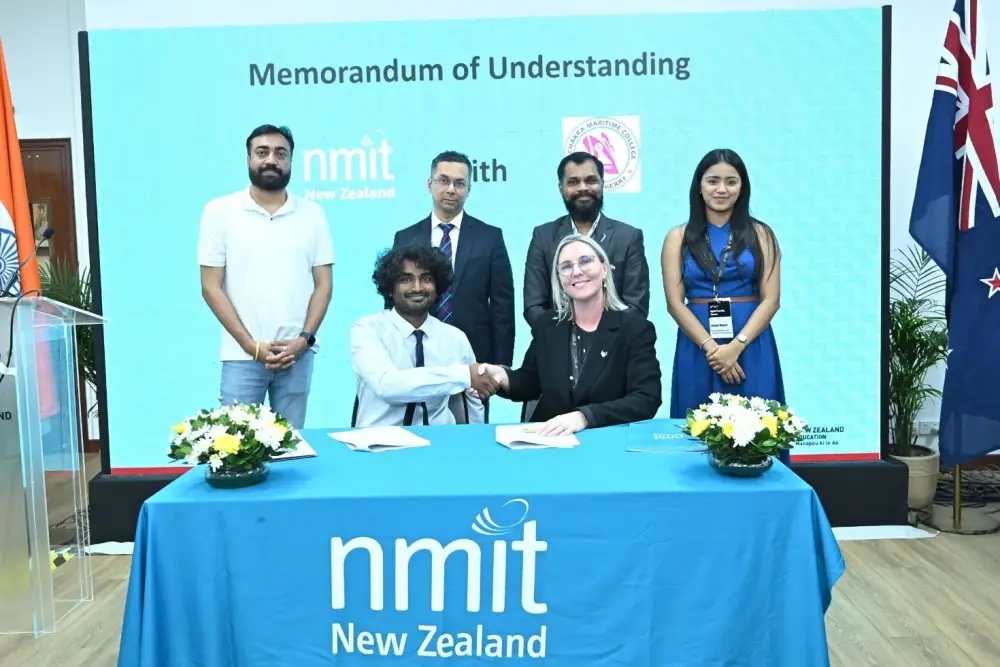
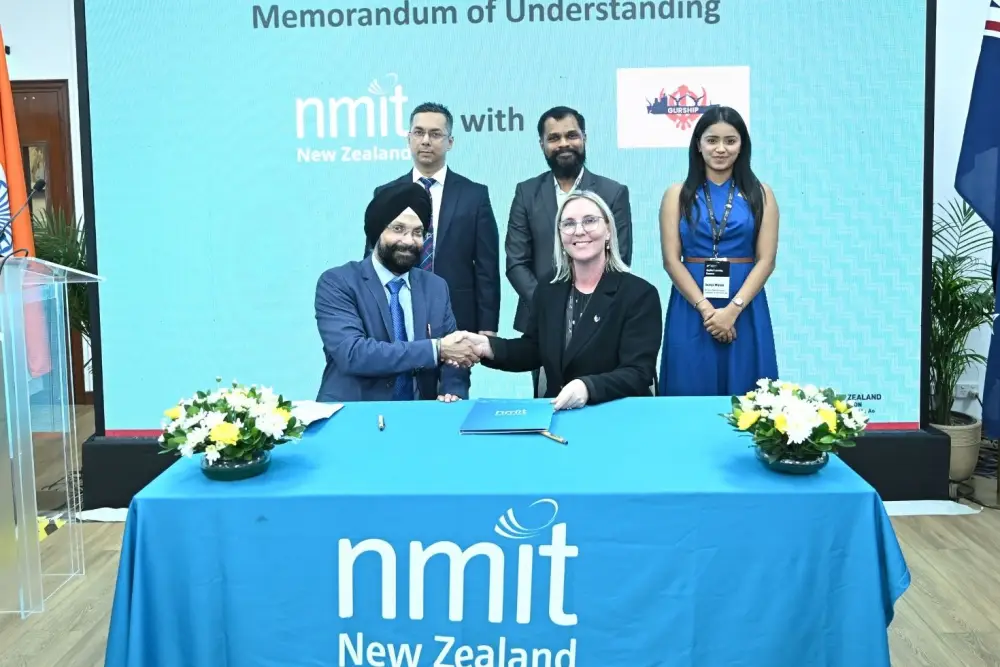
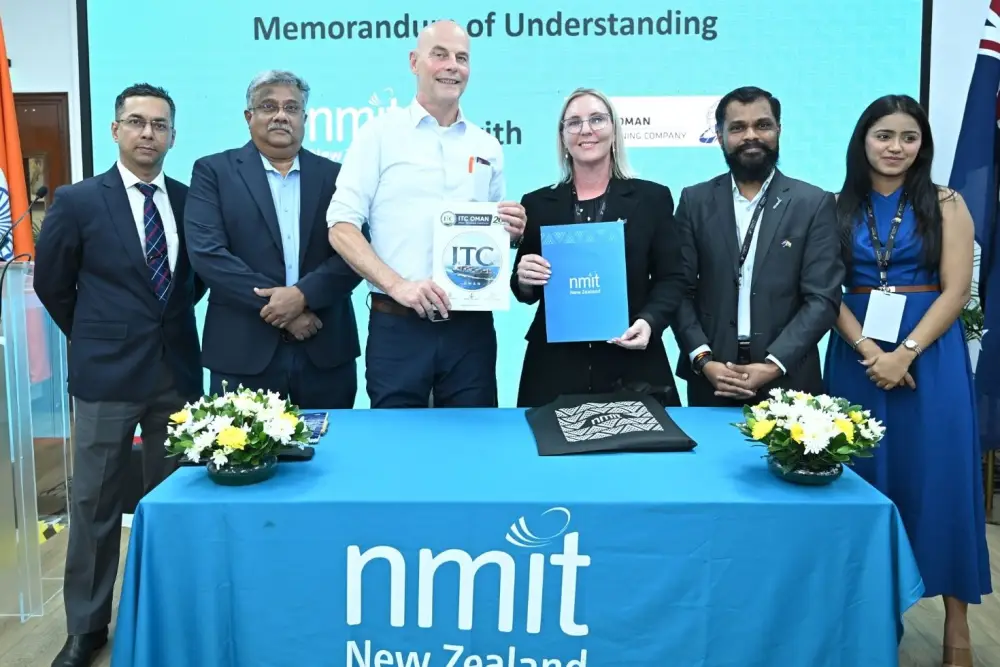
The agreements were signed in Delhi on 21 August with ITC–IMCO in Oman, GSMS Maritime Training Institute in India, and Sri Chakra Maritime Institute in India.
Designed to strengthen educational pathways between NMIT and established maritime training providers, these agreements will support learners to build skills that are relevant across the international maritime sector.
Through this collaboration, NMIT and its partners will support international maritime qualifications, industry-focused training, skills development and global career pathways, helping prepare the next generation of maritime professionals for an increasingly connected global industry.
NMIT is New Zealand’s specialist provider of maritime education and training, with strong connections to the international maritime sector. The new partnerships build on this expertise and create pathways for students from partner institutions to continue their education and gain internationally relevant skills at NMIT in Te Tauihu.
NMIT Chief Executive Dr Caroline Seelig says the agreements are an important step in strengthening NMIT’s international partnerships while delivering benefits for the Nelson region.
“These partnerships bring together the strengths of institutions across New Zealand, India and Oman to create new opportunities for maritime students and professionals,” Caroline says.
“For NMIT, international partnerships are about much more than education. They create connections between people, industries and communities, while bringing talented students to Te Tauihu and contributing to our region’s economic and social wellbeing.”
There is also potential for a significant contribution to the local economy. From the first cohorts arriving in Nelson in 2028, the local economy stands to benefit from more than $4 million per year in spending by incoming students.
Further opportunities include collaboration in qualifications, applied learning, industry engagement and workforce development.
For maritime students, this means greater access to international networks and career pathways, while industry benefits from graduates equipped with practical skills and an understanding of the global maritime environment.