CoF Inspections & Vehicle Recovery
HAE402
Compulsory
Skip Links


Ask a question or call 0800 422 733
More Opportunities. More Goals. Discover +100 programmes starting in 2027.
Apprenticeship programme, varying lengths
240
2026: $210-$419 per course
A Student Service Fee applies (2026; $2.50 per credit).
Fees listed are for each year of the programme, indicative only and may vary with course selection.
View course details for individual fees.
NZ3118

Are you already servicing and repairing heavy road transport vehicles or plant and equipment?
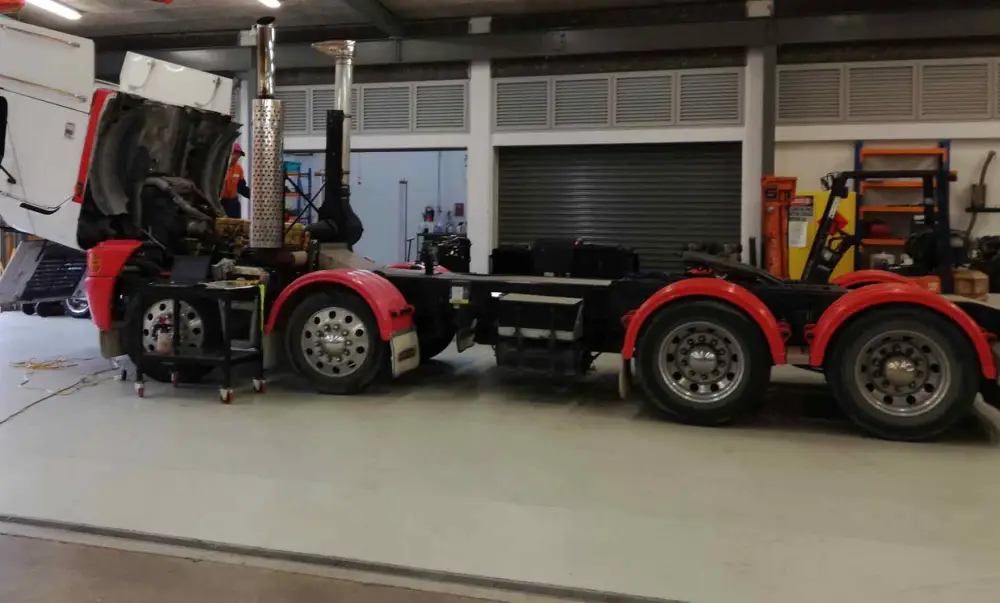
Then it's time to take the next step with this managed apprenticeship programme to increase your skills and knowledge and gain an automotive qualification to back you up.
On successful completion of this programme you will benefit by having an automotive qualification that recognises progression through the industry, as well as increased skills and knowledge to help you increase your job performance. You will be capable of working in a self‐managed capacity and may have some responsibility for the work of others.
You can take this programme after completing the New Zealand Certificate in Automotive Engineering (Level 3). You can also do it if you have attained equivalent Level 3 skills and experience gained from working within industry, and wish to study towards a formal qualification.
You will need to be in a permanent employment agreement as part of your study in the programme.
This allows you to integrate practical on-site learning with tutorial learning at NMIT. This apprenticeship is a partnership between you, your employer, and NMIT.
In addition to the core courses, you'll also build specialist knowledge and practical skills in your chosen strand.