

Ask a question or call 0800 422 733
-
It's Time for More
More Opportunities. More Goals. Discover +100 programmes starting in 2027.
-
Course code
FAC511A
-
Locations and dates
No start dates are currently available. Register to be informed when new dates are added. -
Length
4 consecutive days, 8.30am–5.00pm.
-
Credits
5
Proficiency in Medical First Aid
Course Aim
The aim of this course is to enable graduates to be able to co-ordinate and perform immediate first aid techniques applicable to working on vessels operating in the offshore and unlimited waters. This course meets the requirements of STCW 1978 as amended, A-VI/4-1.
Course Content
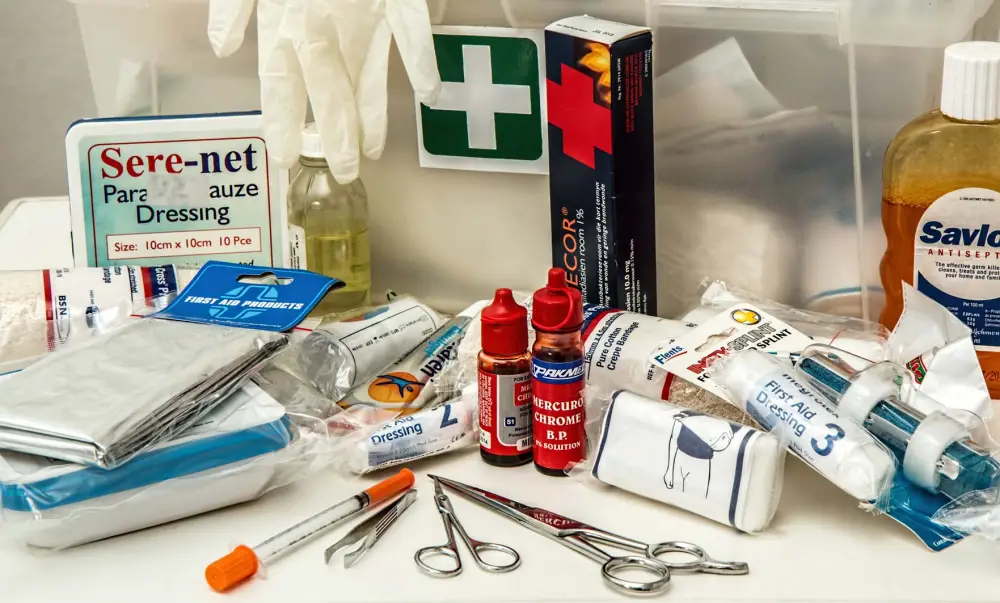
- Topic 1: First Aid Kits
- Topic 2: Body Structure and Function
- Topic 3: Toxicological Hazards
- Topic 4: Examining a Patient, Analysing a Scene
- Topic 5: Practical Skills in First Aid
- Topic 6: Medical Advice
- Topic 7: Pharmacology
- Topic 8: Sterilization
- Topic 9: Cardiac Arrest, Drowning and Asphyxia
Learning Outcomes
On successful completion of this course, students will be able to:
- Assess and apply immediate first aid on board a vessel using first aid kits and other medical supplies and equipment
- Evaluate body structure and function including:
- Skeletal system
- Muscular system
- Cardiovascular system
- Respiratory system
- Digestive system and abdomen
- Assess toxicological hazards on board including use of:
- The Medical First Aid Guide for use in accidents involving dangerous goods (MFAG) or its equivalent
- Oxygen resuscitators
- Evaluate and appraise probable cause, nature and extent of injuries including appraisal the scene and ensuring risk of harm to self and others is minimised
- Assess and treat spinal injuries in accordance with recognized first aid practice and international guidelines
- Assess and treat burns and scalds, and the effects of heat and cold in accordance with recognized first aid practice and international guidelines
- Assess and treat fractures, dislocation and muscular injuries in accordance with recognized first aid practice and international guidelines
- Manage the medical care of rescued persons including distress, hypothermia and cold exposure
- Interpret advice received from radio medical source, & administer prescribed drugs
- Pharmacology – appraise the drug list on board a vessel including usage, dosages and injections
- Demonstrate disinfection of surgical instruments
- Assess and treat cardiac arrest, drowning and asphyxia in accordance with recognized first aid practice and international guidelines
Useful links
- Download a list of all Maritime short courses, including workshop dates(external link)
- Maritime New Zealand (FAQ)(external link)
- Frequently asked questions about Maritime short courses(external link)
- Browse all Maritime Short Courses(external link)
- Commercial Maritime Training(external link)
- Maritime New Zealand (MNZ)(external link)
Related News
Why choose a polytech? There are so many reasons, including a more personal experience, hands-on and industry-connected learning and internationally-recognised qualifications.

NMIT strengthens global maritime partnerships
NMIT has strengthened its international maritime network, signing three new agreements that will create opportunities for students and professionals across New Zealand, India and Oman.
NMIT launches new purpose-built powerboat for maritime training
NMIT’s Maritime programme is heading into 2026 with a new custom-built 6.3-metre powerboat from Richmond-based DNA Alloy Boats.
Nelson Marina Safety Expo 2025
NMIT joined the community at the Nelson Marina Safety Expo, sharing our vessels - including our newly built boat Kina - and maritime expertise to help promote safe boating across the region.
